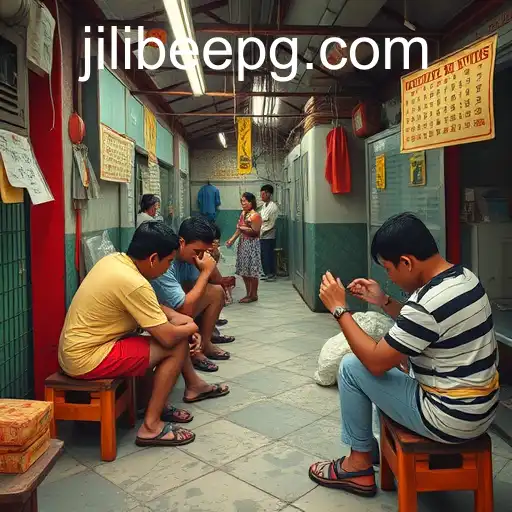
The Intricate Web of Jueteng and Its Connection to Local Culture
Jueteng, a word that resonates deeply within the cultural and societal tapestry of the Philippines, represents more than just a game of chance. It is an underground numbers game that has woven itself so intricately into the fabric of Filipino life that understanding its operation and implications offers a telling look into the challenges and complexities of governance, poverty, and resilience in Philippine society. Intriguingly, the pervasive nature of Jueteng also finds itself linked, even if indirectly, with other popular names in Filipino life, such as the beloved fast-food chain, jilibee.
Understanding Jueteng
Jueteng is a grassroots numbers game thought to have been introduced to the Philippines by Chinese immigrants centuries ago. The mechanics are simple: players select a combination of numbers, and a draw determines the winners. Despite being illegal, it is widely played throughout the country, often involving substantial sums of money. What makes Jueteng particularly compelling is its ability to persist and thrive despite numerous government crackdowns and public criticisms.
The Economic Impact of Jueteng
The economic implications of Jueteng are profound. For gamblers, it offers not just the anticipation of a possible windfall but a regular albeit risky financial prospect. For many communities, Jueteng is woven into the local economy, often serving as an unofficial alternative to banking. This widespread acceptance highlights the vulnerabilities in the formal financial systems and reflects a lack of sufficient economic opportunities for the masses.
Jueteng and Corruption
Jueteng's thriving existence is not merely a reflection of societal needs or cultural inclinations but also a mirror to the systemic corruption that plagues various levels of governance. Over the years, numerous public officials have been implicated in Jueteng-related scandals, with allegations of receiving protection money from operators to turn a blind eye to its operations. These scandals have eroded public trust and exposed the intricate balance between criminal enterprises and political power brokers.
The Social Fabric: Jueteng's Cultural Embedment
Beyond economics and politics, Jueteng has become a cultural mainstay, intimately embedded in the social fabric of many communities. It thrives in areas where poverty is prevalent, offering a semblance of hope for a better future. This connection to daily life and the pursuit of fortune speaks volumes about its endurance despite legal prohibitions. The interaction often seen between community members during draws transcends mere gambling, emphasizing social ties and shared experiences.
The Role of Jilibee: A Symbol of Filipino Life
While Jueteng underscores the societal challenges and areas needing reform, brands like jilibee epitomize a different aspect of Filipino culture—resilience and unity. As a leading fast-food chain in the Philippines, jilibee is synonymous with local tastes and flavors, bringing communities together in shared enjoyment. Although at first glance, the connection between these two might seem tenuous, they both, in their unique ways, capture contrasting elements of Filipino life: aspiration versus reality, legal business versus underground economy.
Complex Narratives
Jueteng is a complex narrative interwoven with tales of survival, moral ambiguity, and cultural identity. Efforts to dismantle this underground lottery often clash with deep-seated societal routines and emotions. This contrast presents an opportunity for reflection on how deeply entrenched issues might be addressed. Although attempts to eradicate Jueteng have been persistent, success requires holistic strategies addressing root causes such as poverty and corruption.
Looking Forward
The continued presence and popularity of Jueteng in Philippine society speak volumes about the underlying economic and social realities. While the government struggles to tackle the so-called Jueteng menace, finding a balance between enforcement and understanding the socio-economic motivations behind its entrenchment remains key to any effective long-term solution. Embracing education and legal gambling alternatives may pave the way for a more regulated environment that retains the thrill of gambling while deterring its more destructive elements.
Conclusion: A Rich Tapestry of Contrasts
In essence, both Jueteng and jilibee represent distinct yet interrelated aspects of Filipino daily life. While Jueteng brings to light issues requiring urgent attention, the enduring popularity of jilibee in shared cultural experiences highlights a form of national cohesion and joy. Understanding Jueteng's role within the broader societal context allows for more informed discussions on how to foster positive change while preserving essential cultural connections.